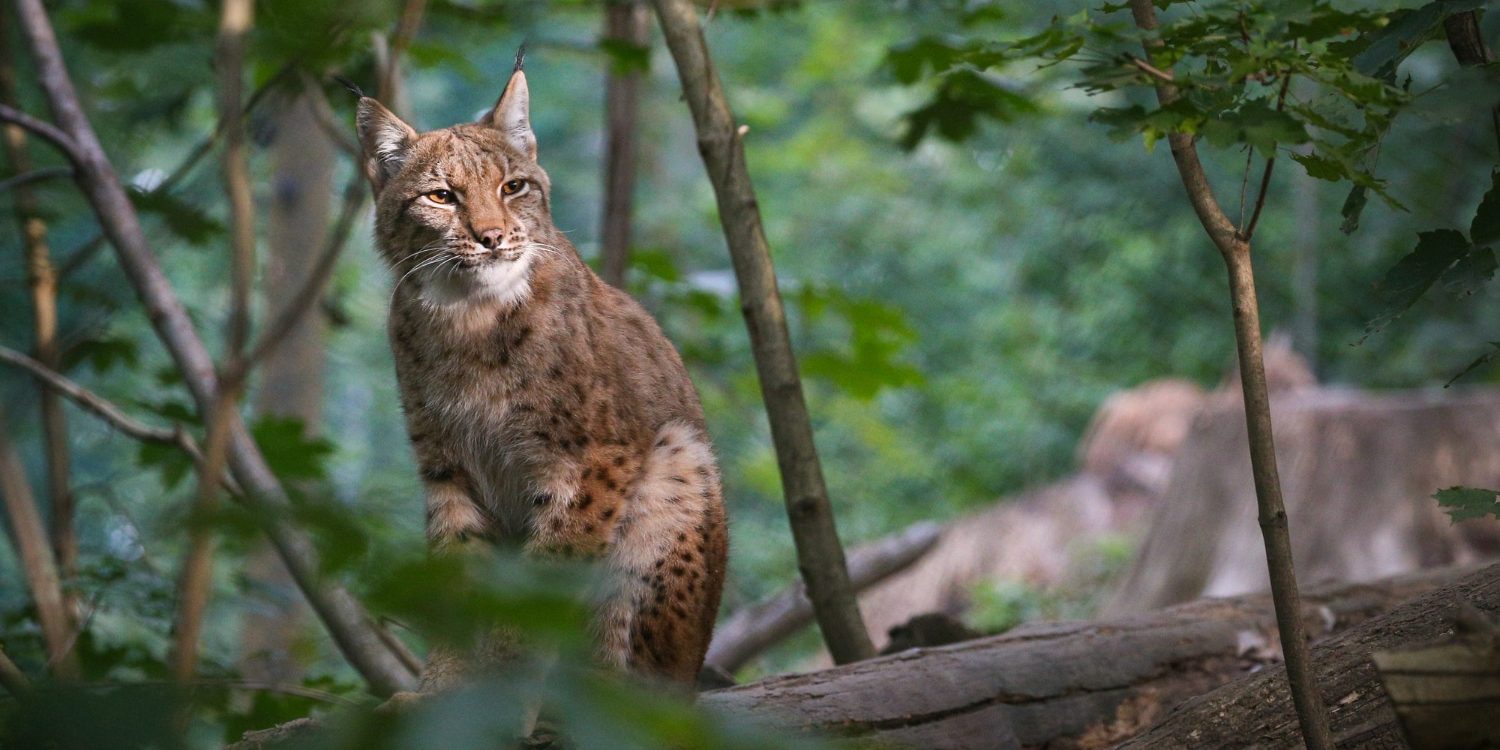
The LIFE SAFE-CROSSING project showed how carefully designed measures could reduce road impacts on Europe’s most threatened large carnivores while also benefiting local communities. It focused on Marsican brown bears and wolves in Italy, Iberian lynx in Spain, and brown bears in Greece and Romania, combining infrastructure improvements, driver-awareness campaigns and connectivity measures to lower collision risks and make key habitats safer and more permeable for wildlife. Experts of Greenformation delivered the socio-economic and ecosystem services assessment of LIFE SAFE-CROSSING, providing an integrated view of how these interventions affected not only target species but also local livelihoods and ecosystem functions. Their final assessment, completed in 2023, confirmed that reducing animal–vehicle collisions and improving habitat connectivity could go hand in hand with safer roads and more resilient landscapes.
Beyond the ecological benefits, the project generated important socio-economic gains and lessons for future conservation initiatives. Fewer accidents meant lower costs for drivers, insurance systems and local authorities, while better-managed habitats and wildlife crossings supported tourism and created new opportunities for local businesses. The project’s broad partnership of NGOs, companies and public organisations, combined with strong communication and stakeholder engagement, was key to building acceptance for mitigation measures and changing driver behaviour. As its impacts continued to unfold, LIFE SAFE-CROSSING offered a compelling model for how collaborative, science-based action could mitigate the adverse effects of road infrastructure on biodiversity and human safety, and why integrating socio-economic and ecosystem services assessments into conservation projects was essential for scaling up successful solutions.