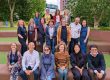
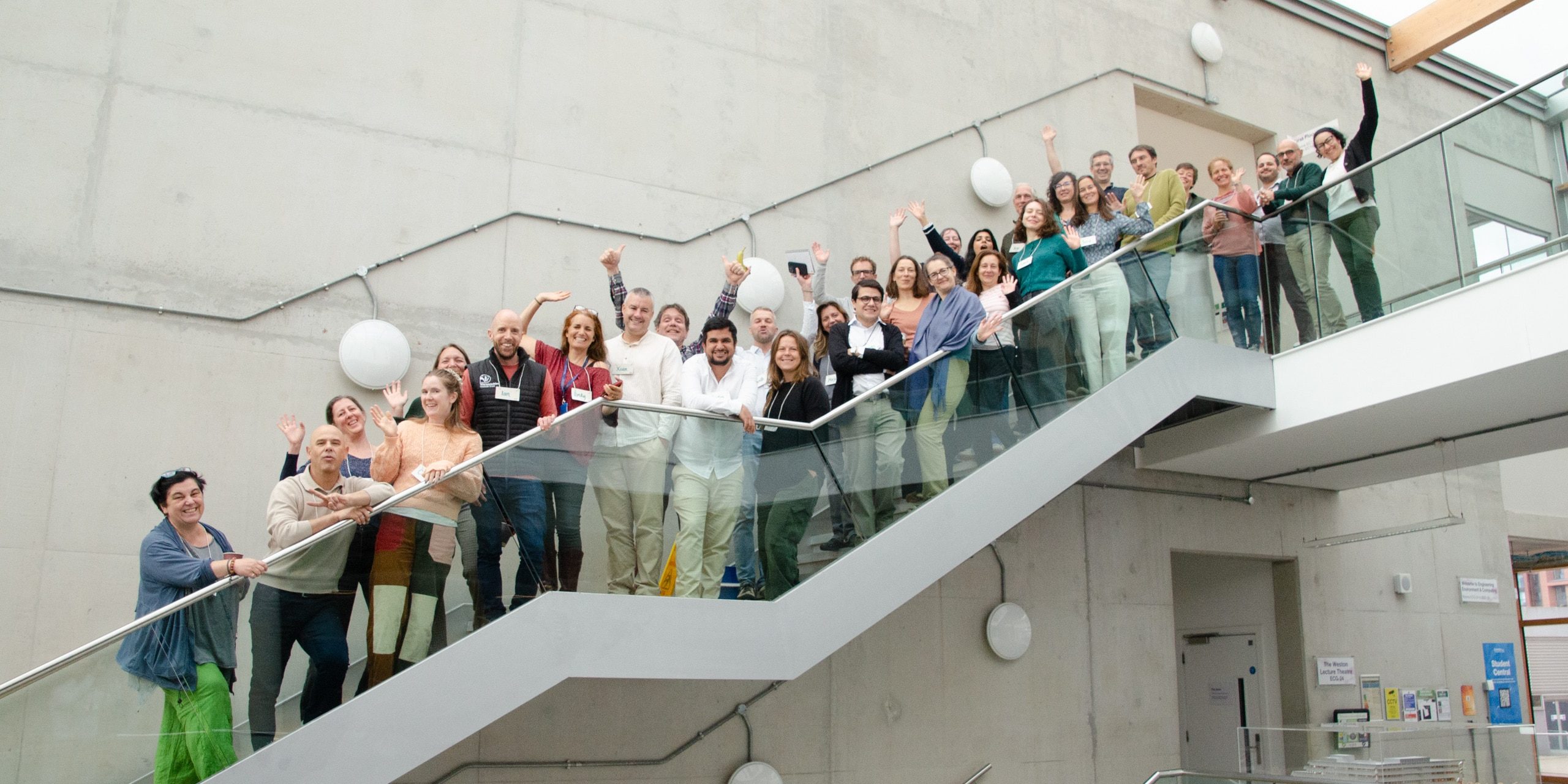
Coventry, UK — What would it take to build economies that work for people and nature alike, instead of at their expense? The paradigm driving today’s decisions (growth at any cost) continues to fuel biodiversity loss, climate change and inequality, even as credible alternatives already exist in pockets around the world. The challenge is turning those scattered alternatives into pathways that policymakers, businesses and communities can actually follow. To take on that challenge, the SPARK4B+ Horizon Europe project officially launched on 1 September 2026, with the consortium convening a week later for its kick-off meeting in Coventry, UK, on 8 September.
What is SPARK4B+?
SPARK4B+ (Strengthening Pathways for Alternative socio-economic paradigms and governance frameworks and Response-able Knowledge and action for Biodiversity-Positive and just futures) is a research project funded under the European Commission’s Horizon Europe programme (Call: HORIZON-CL6-2025-01-BIODIV-08). With a total budget of nearly €7 million and a duration of 48 months, the project brings together 18 partner organisations from nine countries across Europe and Latin America.
“Biodiversity loss, climate change and inequality are not separate crises; they are symptoms of the same growth-oriented paradigm. SPARK4B+ gives us the space, the partners and the tools to make credible alternatives tangible, test them on the ground, and turn them into pathways that policymakers, businesses and communities can actually follow,” said Prof. Marco van de Wiel, Coordinator of SPARK4B+ at Coventry University.
Strengthening Pathways for Alternative Socio-Economic Paradigms and Governance Frameworks and Response-able Knowledge and Action for Biodiversity-Positive and Just Futures
The Challenge
The prevailing socio-economic paradigm, dominated by growth-oriented models, continues to drive biodiversity loss, climate change and inequality. Alternative paradigms, such as degrowth, the wellbeing economy and ecosystem-based governance, already exist, but they remain fragmented, rarely institutionalised, and poorly understood in terms of their combined effects on the biodiversity-climate-equity nexus. Mainstream scenarios often mirror the status quo, ignoring diverse values and paths. SPARK4B+ starts from a simple premise:
A future cannot be biodiversity-positive and just if it is built on paradigms that were never designed to protect either.
SPARK4B+ aims to make alternative socio-economic paradigms not only imaginable, but tangible, credible and actionable. Working across six countries (Germany, Spain, the United Kingdom, Sweden, Hungary and Colombia) and seven sectors including agriculture, forestry, water, finance, health, education and urban development, the project combines qualitative methods (visioning, narratives, systems mapping, behavioural and arts-based approaches) with quantitative modelling (socio-economic and ecological trade-off analysis), enabled by co-creation and generative AI. This is what the consortium calls response-able knowledge and action: scenarios and pathways that are scientifically grounded, plural in their values, and genuinely usable by the people who have to act on them. Transformation Labs and Demonstration Intervention Cases in each country will develop and test these pathways, sustained by coalitions and champions who carry them forward once the project ends.
Key Objectives
The project is structured around seven interlinked objectives:
- Map and assess alternative socio-economic paradigms and governance frameworks relevant to biodiversity, climate and justice, including empirical cases, barriers, enablers and strategies for diffusion.
- Advance future-visioning methodologies by integrating multiple value perspectives, qualitative systems models and transformation theories with digital tools such as generative AI and immersive technologies.
- Develop and refine quantitative models and tools that integrate biodiversity, climate and socio-economic dimensions, enabling rigorous analysis of trade-offs, synergies and long-term impacts.
- Co-create alternative scenarios and pathways with stakeholders through Transformation Labs, rooted in place-based realities while enabling comparability and mutual learning across contexts.
- Pilot and amplify interventions in Demonstration Intervention Cases, testing the feasibility, effectiveness, equity and scalability of strategies that put alternative paradigms into practice.
- Build and empower coalitions and champions, equipping them with knowledge, skills and institutional support to diffuse transformative change while fostering inclusive leadership.
- Communicate, engage and disseminate knowledge widely, fostering societal dialogue, cultural engagement and policy uptake to accelerate the systemic adoption of alternative pathways.
The Consortium
Coordinated by Coventry University (UK) through its Centre for Agroecology, Water and Resilience (CAWR), with GreenFormation (Hungary) co-leading coalition-building, communication and a demonstration case, the consortium includes:
- University of Bergen (Norway)
- ESSRG Nonprofit Limited (Hungary)
- University of Vigo (Spain)
- SDSN – Sustainable Development Solutions Network Association Paris (France)
- Xavierian Pontifical University (Colombia)
- University of Hohenheim (Germany)
- European Centre for Social Welfare Policy and Research (Austria)
- Stockholm Resilience Centre, Stockholm University (Sweden)
- National University of Colombia (Colombia)
- AFD – French Development Agency (France)
- NINA – Norwegian Institute for Nature Research (Norway)
- Lund University (Sweden)
- Warwickshire Wildlife Trust (United Kingdom)
- Montescola Foundation (Spain)
- Vexiza Limited (Spain)
SPARK4B+ is further guided by an Advisory and Influencers Board of international experts in biodiversity, socio-economic transformation, policy and advocacy, including representatives from the WHO Regional Office for Europe, Colombia’s Ministry of Finance, the University of the Witwatersrand (South Africa), Humboldt-Universität zu Berlin, Ecolise, IUCN CEESP and Dejusticia, connecting perspectives from Europe, Latin America, Africa and beyond.
What to Expect
Over the coming 48 months, SPARK4B+ will map and assess alternative socio-economic paradigms across the biodiversity-climate-equity nexus, documenting 50+ best practices and developing an analytical tool to support scenario- and pathway-building. The project will produce three qualitative toolboxes with more than 50 methods, including SPARKBOX, alongside a dedicated AI/VR toolbox for immersive stakeholder engagement, and an interactive modelling dashboard (SPARKSPACE) for exploring trade-offs and synergies. Its findings will reach decision-makers through a Policy Knowledge Synthesis Report, policy briefs and infographics, at least three high-profile Policy Brunches in Brussels, and participation in more than 30 international policy events, while reaching wider audiences through documentaries, exhibitions, online courses (MOOCs) and creative collaborations with artists and media.
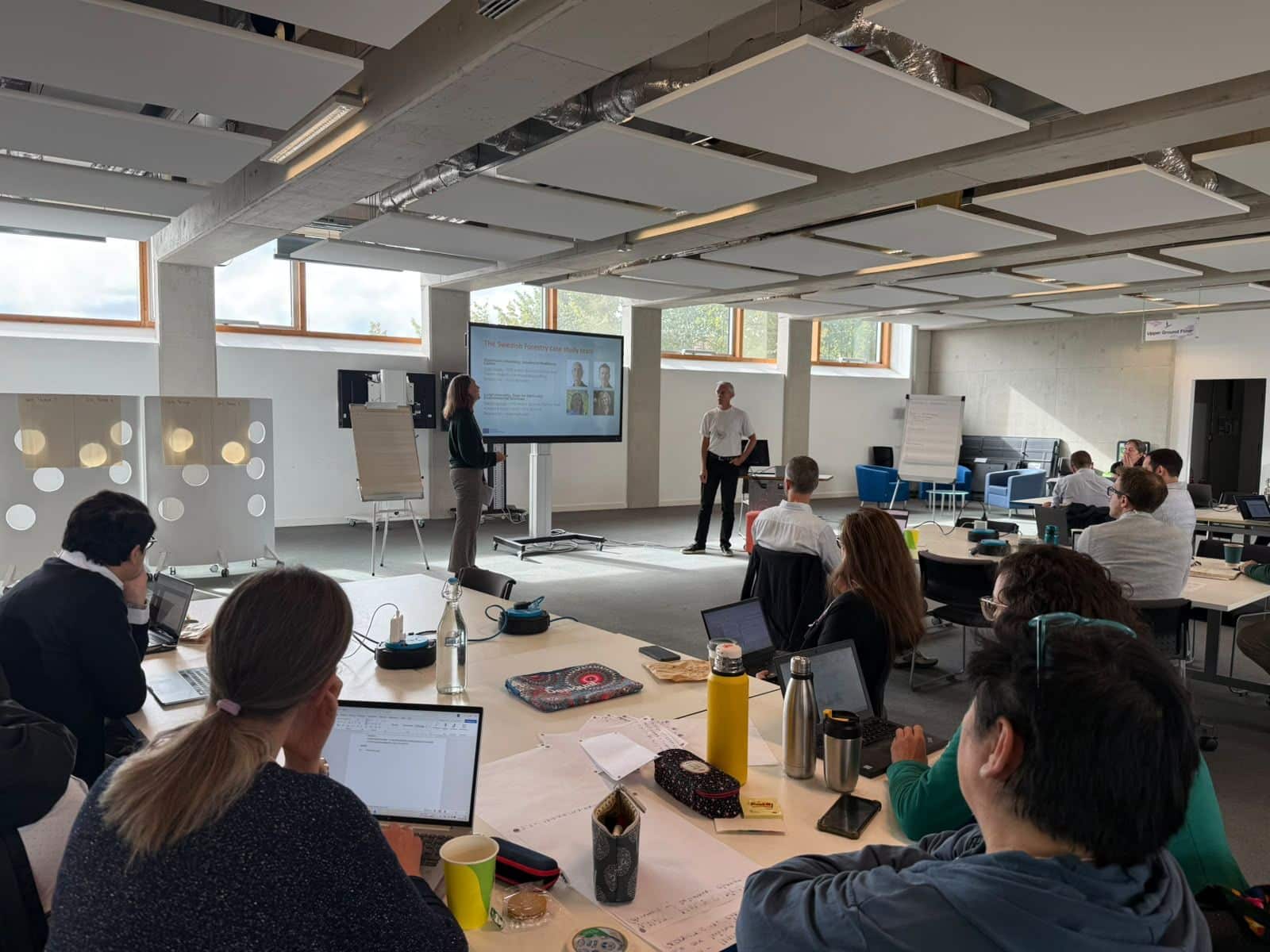
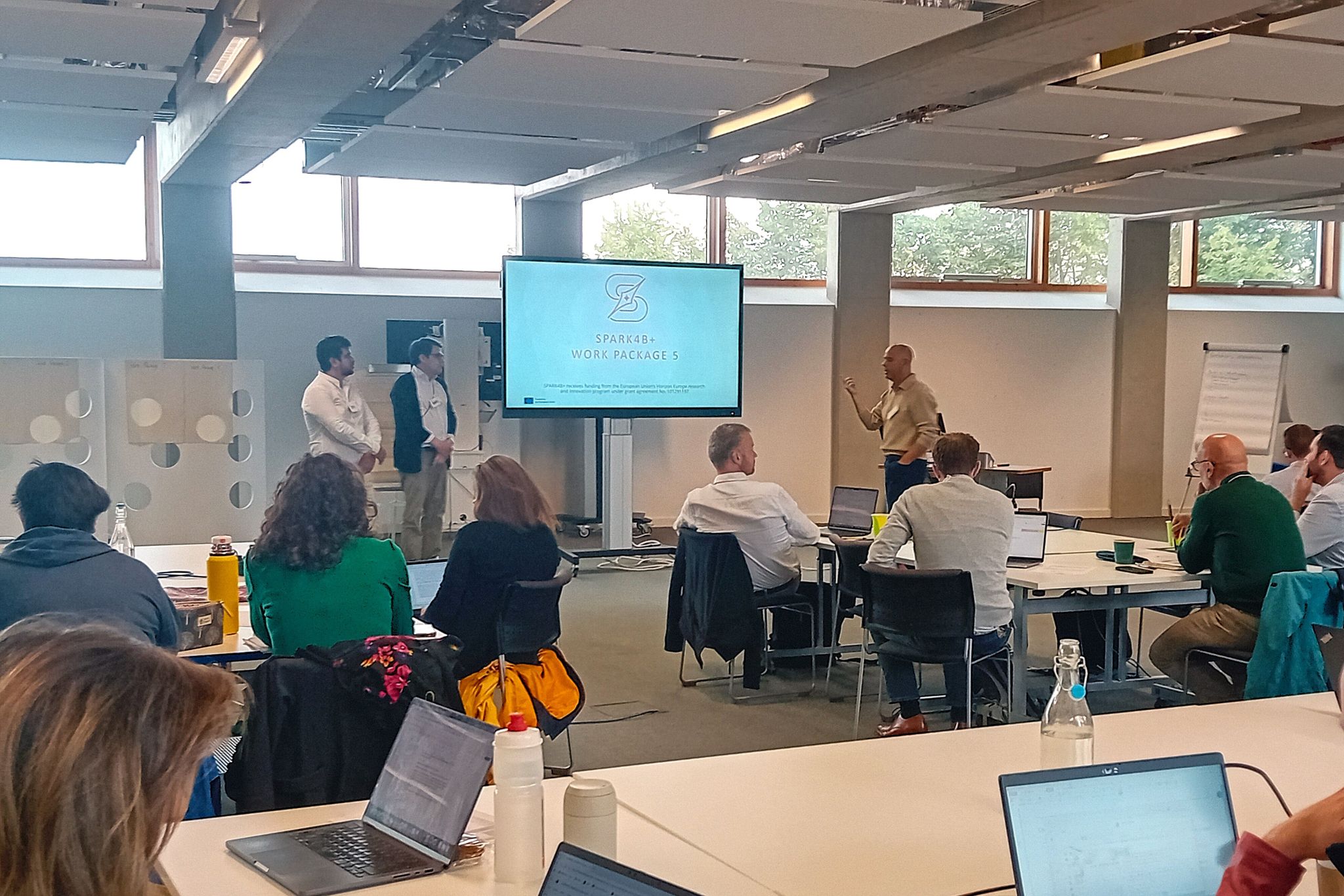
The kick-off meeting in Coventry on 8 September 2026 marks the official start of the consortium’s joint work, bringing all 18 partner organisations together to align on governance structures, research methodologies and communication activities for the four years ahead.
SPARK4B+’s project website and social media channels will launch in the coming months. In the meantime, follow GreenFormation for project updates or contact Agnes Zolyomi ([email protected]) for more information.
SPARK4B+ is funded by the European Union under Horizon Europe Grant Agreement No. 101291197. Views and opinions expressed are those of the consortium and do not necessarily reflect those of the European Commission.